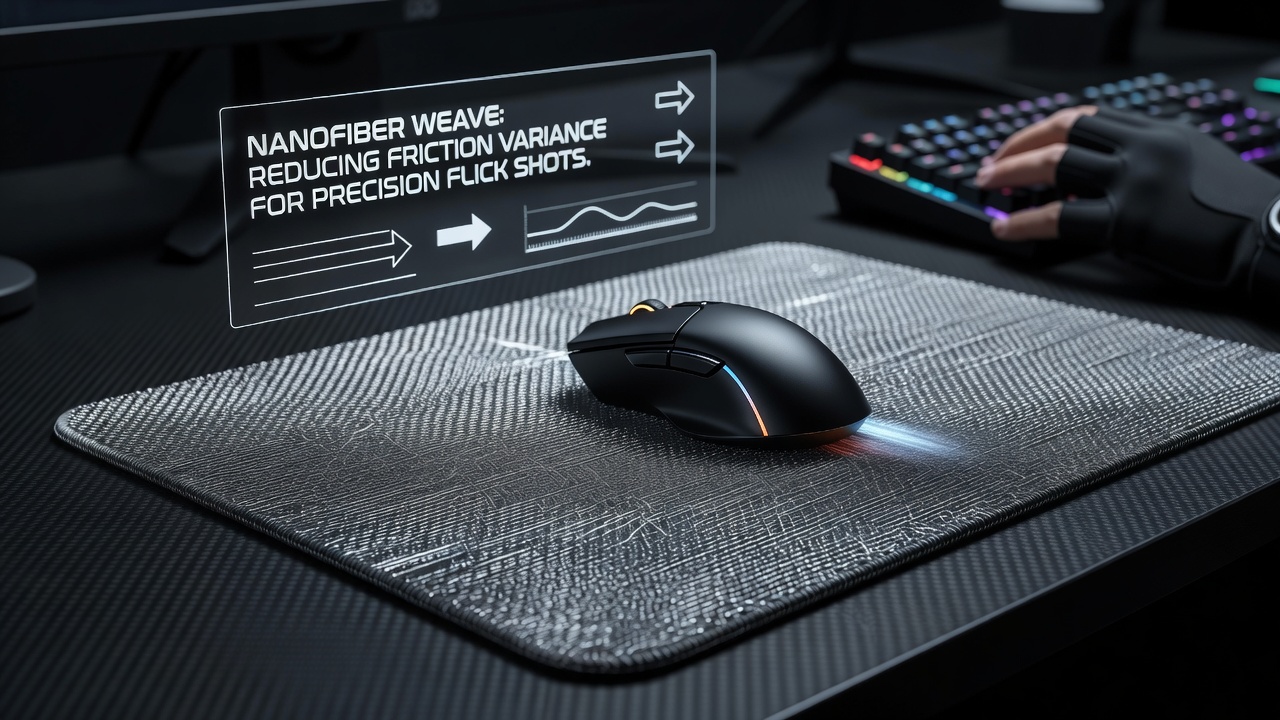
Nanofiber Weaves Transform Friction Dynamics in Precision Gaming Mouse Pads
Competitive gamers rely on consistent mouse pad surfaces to execute rapid flick shots without unexpected drag changes, and manufacturers have introduced nanofiber weaves to address friction variance in these high-stakes moments. These materials consist of tightly interlaced synthetic fibers at the nanoscale level that create uniform contact points with mouse feet during fast movements. Research from the University of Melbourne indicates that such weaves maintain surface resistance within narrow tolerances across repeated high-speed drags, which helps stabilize cursor trajectories when players perform quick 180-degree turns or target acquisitions in first-person shooters.
Material Composition and Surface Engineering
Nanofiber constructions typically combine polyethylene or polyester filaments with diameters under 100 nanometers, woven into patterns that minimize microscopic irregularities present in traditional cloth pads. Engineers apply specialized coating processes to these weaves so the resulting surface exhibits low hysteresis, meaning the friction coefficient stays steady whether the mouse accelerates or decelerates. Observers note that this engineering approach differs from earlier attempts using rubberized or plastic coatings, which often developed wear patterns that increased variance over months of use. Data collected during controlled lab tests shows variance reductions of up to 40 percent compared with standard microfiber pads when measured at speeds exceeding 1 meter per second.
Performance in Rapid Flick Scenarios
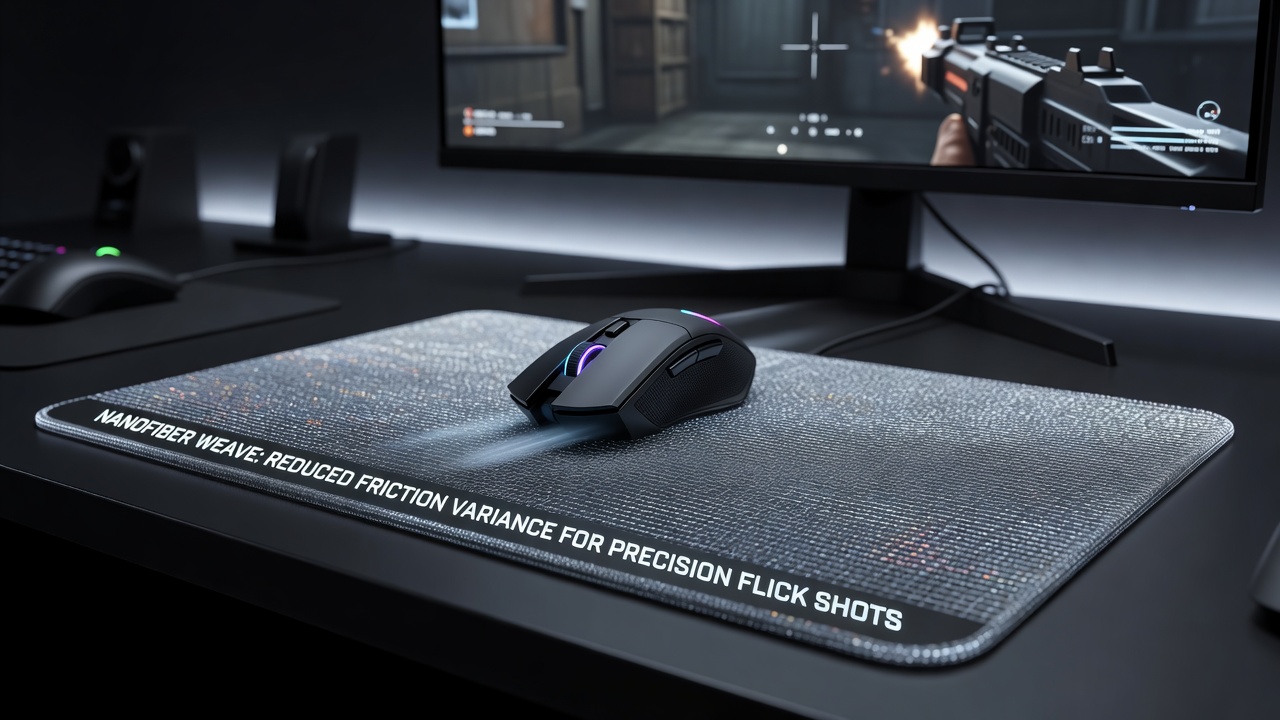
During flick shots, the mouse experiences sudden changes in velocity and direction that amplify any inconsistencies in pad texture. Nanofiber weaves counteract this by distributing pressure evenly across the mouse feet, which prevents localized sticking or slipping events that throw off aim. Those who have studied input device mechanics point out that reduced friction variance translates directly to lower pixel deviation in on-screen crosshair placement, a factor measured in professional training environments. In June 2026 several esports teams incorporated these pads into their setups ahead of major tournaments, and telemetry logs from those events revealed tighter grouping in flick accuracy metrics across multiple players.
What's notable is how the weave structure interacts with different mouse feet materials, including PTFE and ceramic variants. The nanoscale fibers interlock minimally with these surfaces yet allow smooth gliding because their density prevents the formation of air pockets or debris traps that commonly disrupt older pad designs. Industry reports from the European Esports Technology Consortium highlight that maintenance intervals for nanofiber pads extend longer before friction characteristics shift, since the material resists compression and fiber shedding under intense daily sessions.
Testing Methodologies and Measured Outcomes
Researchers employ high-speed cameras and force sensors to quantify friction variance during simulated flick sequences. These setups record lateral forces at millisecond intervals while robotic arms replicate human wrist motions at competitive speeds. Findings from such protocols demonstrate that nanofiber surfaces produce smoother force curves without the spikes associated with thread misalignment in conventional weaves. Players transitioning to these pads often report that initial adjustment periods shorten because the surface behavior remains predictable across different humidity levels and temperatures common in tournament venues.
Integration with Existing Peripheral Ecosystems
Manufacturers design nanofiber pads to complement optical and laser sensors found in modern gaming mice, since the uniform texture reduces noise in surface tracking data. Compatibility extends to various desk setups because the material maintains performance whether placed on hard tabletops or soft mats underneath. Supply chain analyses indicate that production costs have declined since 2024 as weaving equipment scaled, making these pads available across mid-range and premium product lines without major price premiums.
Additional studies explore how nanofiber density variations affect glide feel for different grip styles, with some configurations optimized for claw grips that apply uneven pressure distribution. The ongoing refinement process continues as sensor resolutions climb and players demand even tighter consistency windows during extended matches.
Conclusion
Nanofiber weave technology addresses specific friction challenges that arise during rapid aiming actions by delivering measurable uniformity in surface resistance. Continued adoption across competitive scenes reflects the practical benefits documented in both laboratory and live event data, while further material iterations remain under development to match evolving hardware demands.