Modular Power Supplies Quietly Reshaping Energy Efficiency Benchmarks in Competitive Gaming Setups
Competitive gaming setups demand consistent power delivery without excess heat or wasted energy, and modular power supplies have become central to meeting those requirements as systems scale up in performance while keeping consumption in check. These units allow builders to connect only the cables they need, which reduces clutter inside the case, improves airflow, and supports more stable operating temperatures during extended sessions. Data from hardware testing labs indicates that such configurations often achieve higher overall system efficiency ratings, particularly when paired with components that draw variable loads during tournaments or ranked matches.
Understanding Modular Designs in Context
Traditional power supplies come with fixed cables that occupy space even when unused, whereas modular versions let users attach precisely what the motherboard, graphics card, and storage devices require. This approach cuts down on unused wiring that can block fans or trap warm air near heat-generating parts like CPUs and GPUs. Studies on high-end desktop builds reveal that better cable routing correlates with measurable drops in internal case temperatures, which in turn helps power supplies maintain peak conversion efficiency over longer periods without throttling.
Manufacturers rate these supplies under the 80 Plus program, which certifies efficiency levels from Bronze through Titanium based on how much AC power converts to usable DC output at different loads. In competitive environments where systems run near full capacity for hours, the higher-tier certifications matter because they reduce electricity costs and limit the need for aggressive cooling solutions. Figures released in early 2026 show that Titanium-rated modular units now appear in a growing share of professional player rigs tracked by tournament organizers.
Energy Efficiency Benchmarks and Recent Data
Power draw measurements from standardized gaming workloads demonstrate that modular supplies can deliver efficiency gains of several percentage points over non-modular alternatives at typical 50 to 100 percent loads. Researchers at technical institutes in Germany and Australia compiled results from identical hardware configurations and found that the cable flexibility in modular designs contributed to sustained performance by keeping power delivery components cooler. Those lower temperatures translate into less energy lost as heat, which compounds across multiple systems at large events.
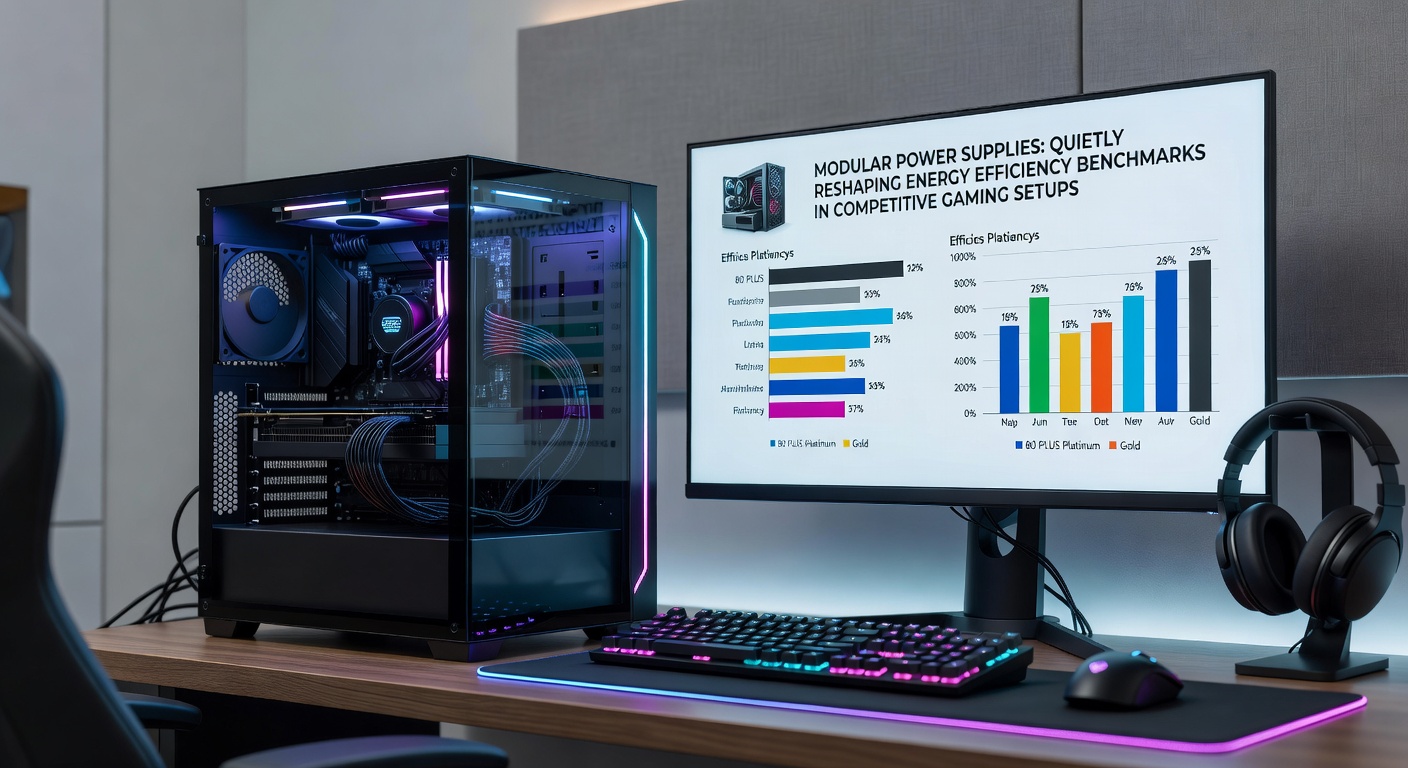
What's interesting is how these incremental improvements add up in multi-day competitions. Observers tracking setups at major events in May 2026 noted that teams using updated modular units reported fewer instances of unexpected shutdowns tied to power instability. The same reports linked the trend to updated efficiency testing protocols that emphasize real-world variable loads rather than steady-state measurements alone. According to analyses from the International Energy Agency, gaming hardware overall accounts for a rising portion of consumer electricity use in developed markets, prompting closer attention to supply-side optimizations.
Role in Competitive Gaming Environments
Professional players and their support staff focus on every variable that affects frame consistency and hardware longevity, which places power supply choice under scrutiny alongside graphics cards and processors. Modular designs simplify maintenance during travel between events because builders can swap or add cables without disassembling the entire system. This practicality shows up in reduced setup times at LAN venues where quick adjustments prevent delays. One documented case involved a North American squad that switched to fully modular Titanium units mid-season and recorded lower peak power readings during stress tests conducted by their equipment partners.
Regulatory bodies have also taken notice. The U.S. Environmental Protection Agency updated its ENERGY STAR guidelines for computers in 2025 to include stricter criteria for power supply efficiency, and similar frameworks from Canadian standards organizations now reference modular architectures as a pathway to compliance. These policies encourage adoption without mandating specific form factors, yet the market has responded with wider availability of units that meet both performance and efficiency targets simultaneously.
Technical Factors Driving Adoption
Inside the supply itself, modern modular models incorporate better components such as high-quality capacitors and more precise voltage regulation circuits that maintain tight tolerances even when loads fluctuate rapidly during intense gameplay. Engineers designing these units test them across thousands of cycles that simulate tournament conditions, including sudden spikes from overclocked processors or multi-monitor configurations. The resulting data indicates that efficiency curves stay flatter across a broader load range compared with earlier generations, which matters when systems idle between matches yet must ramp up instantly for practice drills.
Academic papers from institutions in the European Union have examined how airflow improvements from reduced cable clutter affect not just the power supply but the entire thermal ecosystem. Lower fan speeds become viable, which cuts additional power consumption and noise levels that can distract players wearing headsets during critical rounds. These interconnected benefits explain why modular options appear more frequently in benchmark databases maintained by hardware review collectives that focus exclusively on competitive hardware.
Looking Ahead
Industry forecasts project continued refinement in modular power supply technology through the remainder of 2026, with emphasis on digital monitoring features that let users track real-time efficiency metrics via software. Such tools could help teams fine-tune their setups further without relying solely on external testing equipment. As component power requirements evolve with new graphics architectures, teh ability to scale cable configurations without sacrificing conversion efficiency positions modular supplies as a practical foundation for future builds.
Conclusion
Modular power supplies continue to influence efficiency benchmarks in competitive gaming by enabling cleaner builds, cooler operation, and more precise power management. Data gathered through 2026 shows measurable advantages in both laboratory and live tournament settings, driven by design choices that align with broader energy standards from multiple regions. Those trends point toward wider integration as hardware demands rise and efficiency expectations tighten across the sector.