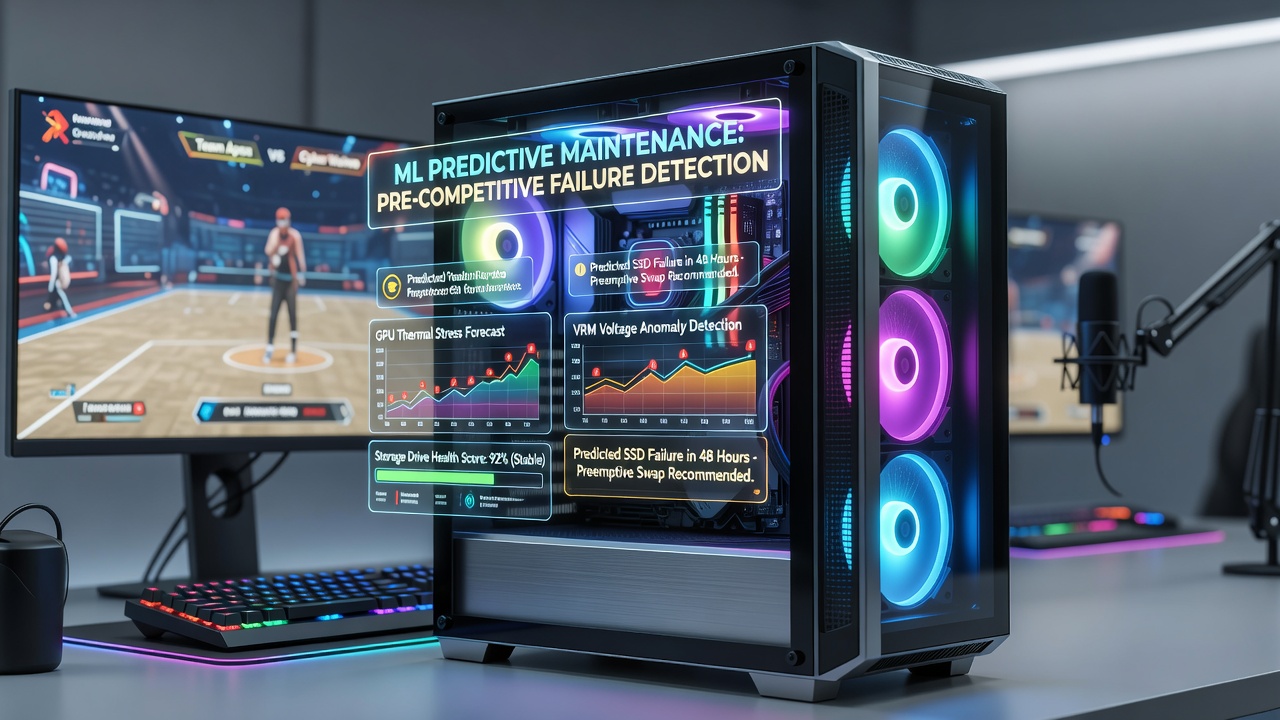
Machine Learning Models Predicting Component Failures in High-End Gaming Rigs
High-end gaming rigs used in competitive esports environments rely on precise hardware performance, and machine learning models now analyze sensor data to forecast component failures days or weeks ahead of potential disruptions. These systems process inputs from temperature sensors, voltage monitors, and performance logs to identify patterns that precede issues such as GPU overheating or SSD degradation during tournaments.
Data Sources Driving Predictive Accuracy
Models draw from continuous telemetry collected across thousands of gaming setups worldwide, where variables like fan speeds, power draw fluctuations, and memory error rates feed into neural networks trained on historical failure datasets. Research from Stanford University has demonstrated that combining these metrics with environmental factors such as ambient humidity improves prediction precision by accounting for conditions common in arena venues.
Training datasets expand through partnerships with hardware manufacturers who share anonymized logs from professional player rigs, allowing algorithms to distinguish between normal load variations during extended matches and early signs of capacitor wear or thermal throttling. Observers note that models update weekly as new failure events refine their parameters without requiring manual intervention.
Implementation in Tournament Settings
Esports organizers integrate these predictive tools into monitoring platforms that alert technicians via mobile dashboards when a rig shows elevated risk scores for RAM instability or power supply variance. During events scheduled around June 2026, teams reported fewer mid-match interruptions because maintenance crews addressed flagged components during scheduled breaks rather than after failures occurred.
One study revealed that organizations adopting these models reduced hardware-related downtime by integrating outputs with automated scheduling systems that prioritize replacements based on predicted timelines. The approach connects directly to existing network infrastructure in arenas, where wireless sensors transmit data without adding latency to player connections.
Technical Architecture of the Models
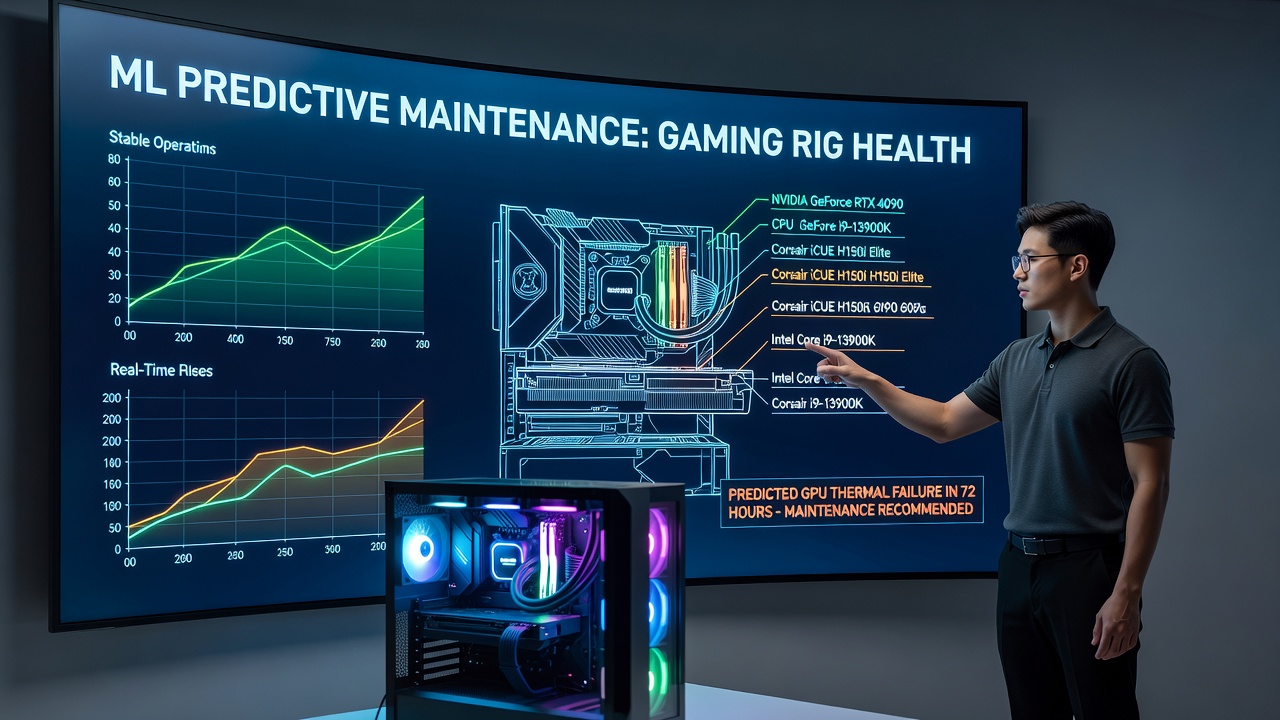
Recurrent neural networks and gradient boosting frameworks form the core of these systems, processing time-series data to project component lifespan under varying workloads typical of first-person shooters or real-time strategy titles. Engineers calibrate thresholds so that alerts trigger only when probability exceeds predefined levels calibrated against past tournament data.
Additional layers incorporate game-specific usage patterns, such as sustained GPU utilization during long practice sessions, which differ from casual play and accelerate certain wear mechanisms. Data indicates that models trained on region-specific datasets, including those from European esports facilities, achieve higher reliability when accounting for variations in power grid stability across different host countries.
Integration Challenges and Solutions
Compatibility with diverse rig configurations requires standardized data formats that manufacturers increasingly adopt, enabling models to operate across custom builds without extensive retraining. Teams address false positive rates through ensemble methods that cross-verify predictions from multiple algorithms before issuing alerts.
Reports from the National Research Council Canada highlight ongoing refinements where reinforcement learning adjusts model sensitivity based on feedback from actual maintenance outcomes, reducing unnecessary interventions while maintaining coverage of critical failure modes like motherboard trace corrosion.
Future Directions in Hardware Monitoring
Developments scheduled for late 2026 include expansion of edge computing capabilities that run lightweight versions of these models directly on rig motherboards, enabling faster local predictions without constant cloud connectivity. This setup supports mobile tournament setups where internet access remains limited yet hardware reliability stays essential.
Conclusion
Machine learning applications in gaming hardware monitoring continue to evolve through expanded datasets and refined algorithms that tie component health directly to match schedules. Organizations that implement these tools report smoother operations across extended events, while researchers focus on broadening model applicability to emerging hardware like advanced cooling systems and high-bandwidth memory modules.