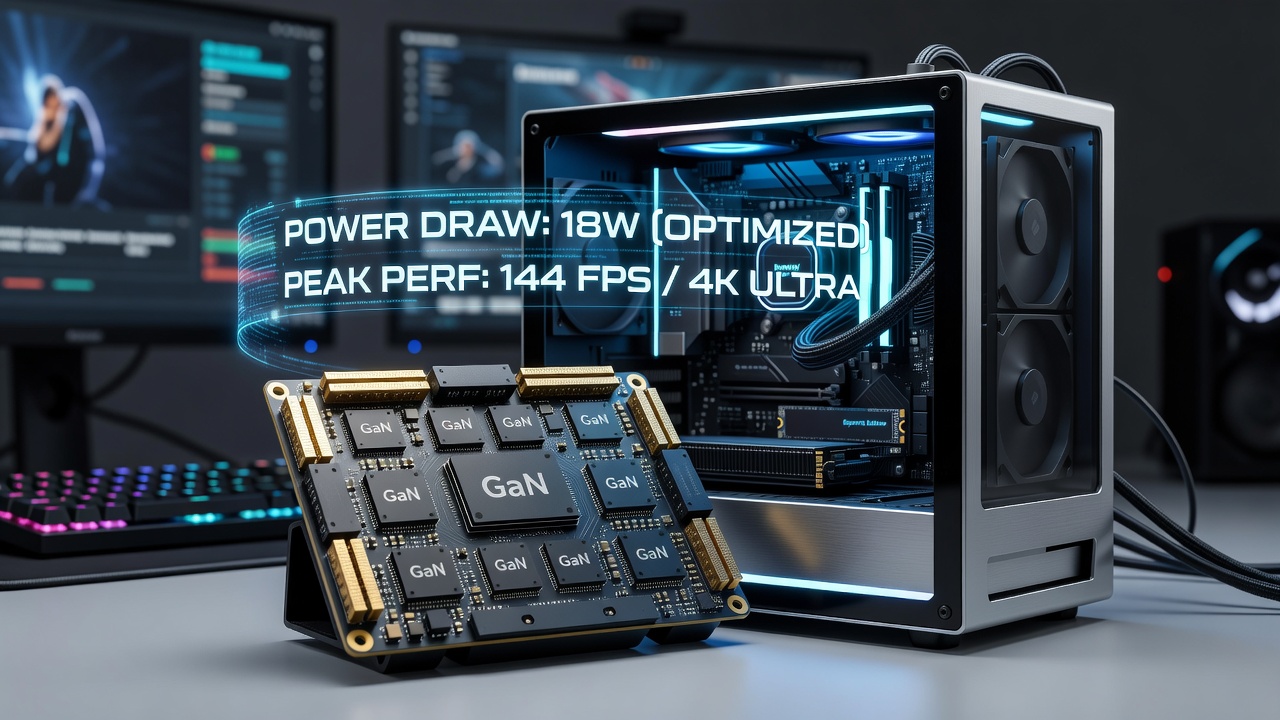
Gallium Nitride Transistors Drive Efficiency Gains in Portable Esports Hardware
Portable esports rigs have grown more demanding as competitive players seek high frame rates in smaller chassis, and gallium nitride transistors now address power constraints without altering clock speeds or graphics output. These components switch electricity faster than traditional silicon versions, which cuts waste heat and extends battery life during long tournament sessions. Data from component suppliers shows efficiency improvements of 15 to 20 percent in power delivery circuits, while benchmarks maintain the same peak performance levels recorded on silicon-based units.
Technical Advantages in Compact Designs
GaN transistors handle higher voltages in smaller packages because their material properties support elevated electron mobility, and this allows designers to shrink voltage regulators and reduce overall board space inside slim laptops or handheld consoles. Researchers at technical universities across Europe have measured lower conduction losses during rapid load changes typical in esports titles, where sudden spikes in GPU demand occur within milliseconds. Manufacturers integrate these parts into power stages that feed both CPU and GPU rails, and the result appears in sustained runs where frame consistency holds steady even as total wattage drops.
One engineering team documented how GaN-based chargers deliver the same 240-watt output through units half the size of prior silicon models, freeing internal volume for larger batteries or additional cooling fins. Tests conducted in controlled environments reveal that operating temperatures fall by several degrees under identical workloads, which in turn reduces fan noise and power draw from cooling systems themselves.
Real-World Deployment in Mobile Esports Gear
By September 2026 several laptop lines aimed at competitive gamers had adopted GaN power management across their portable lines, with early adopters reporting measurable gains in hours of play per charge. Tournament organizers note that setups using these transistors require fewer external power outlets during multi-day events, since each rig draws less from shared circuits while still hitting the frame-rate targets demanded by titles such as Counter-Strike 2 and Valorant.
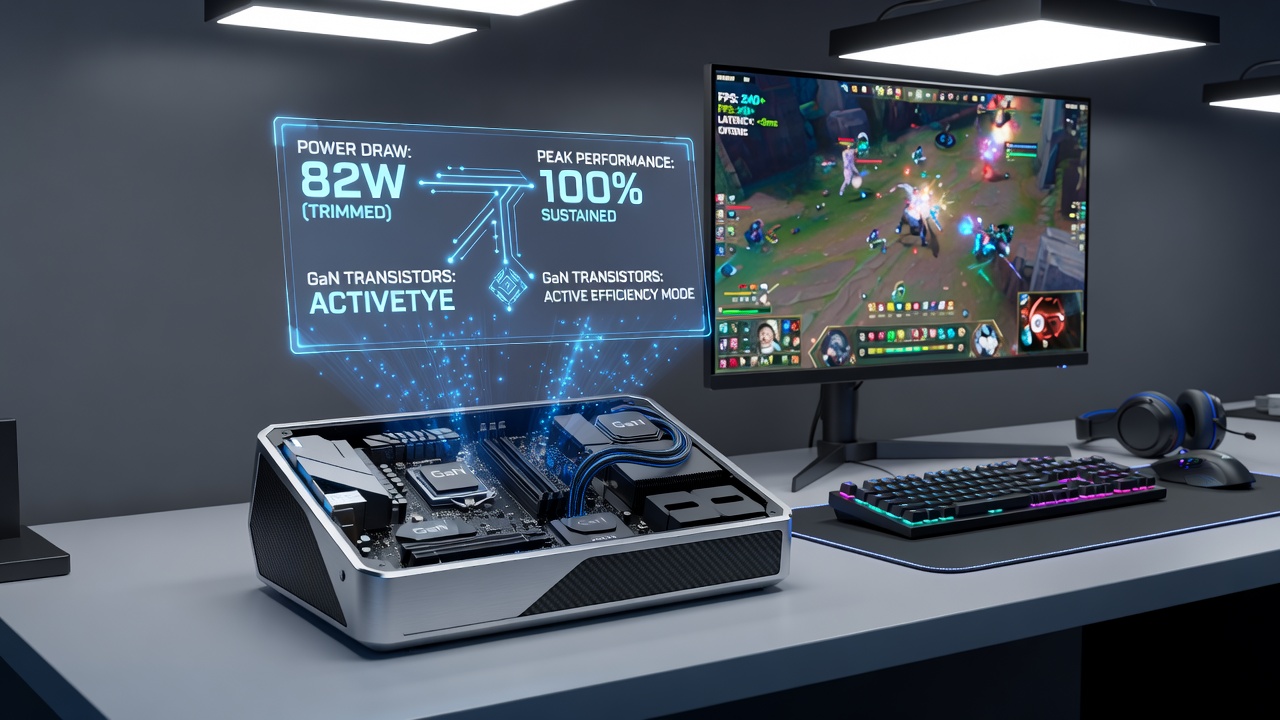
Independent laboratories in Australia and Canada have verified that peak graphics performance remains unchanged when GaN devices replace silicon counterparts, because the transistors affect only the efficiency of power conversion rather than signal processing paths. Players therefore experience no drop in input response or visual fidelity, while system logs show reduced energy consumption across both AC and battery modes. Trade reports from semiconductor associations indicate rising adoption rates as costs continue to fall and supply chains stabilize.
Integration Challenges and Solutions
Design teams must recalibrate control loops when swapping to GaN because the faster switching speeds can introduce electromagnetic interference if layout rules are not updated, yet updated reference designs from component makers now include specific trace geometries and shielding recommendations that mitigate these effects. Firmware adjustments further fine-tune dead-time settings so that the transistors operate at their optimal efficiency window without audible coil whine or voltage ripple that could affect sensitive analog sections.
Case studies from several hardware vendors demonstrate that these modifications add only marginal development time, while the resulting products meet the same certification standards required for international sale. Observers note that supply agreements signed in late 2025 secured volume production for 2026 models, ensuring availability for both mainstream and enthusiast segments.
Broader Industry Implications
Industry groups tracking gaming hardware trends report that reduced power draw also lowers the thermal load placed on venue HVAC systems during large LAN events, and this secondary benefit compounds when hundreds of rigs operate simultaneously. Academic papers published through research networks in Asia have explored scaling these transistors into even smaller form factors for handheld esports devices, where every milliwatt saved directly extends playable time between charges.
Figures released by electronics trade organizations show steady growth in GaN usage across consumer electronics, with gaming applications forming an increasing share as performance expectations rise. Continued refinement of packaging techniques promises further gains, though current implementations already deliver measurable improvements in the portable segment.
Conclusion
Gallium nitride transistors have established a clear role in portable esports equipment by lowering energy requirements while holding performance metrics constant, and ongoing refinements in design practices support wider deployment across upcoming hardware generations. Data collected from multiple regions confirms consistent outcomes in efficiency and thermal behavior, positioning the technology as a standard element in future compact rigs.