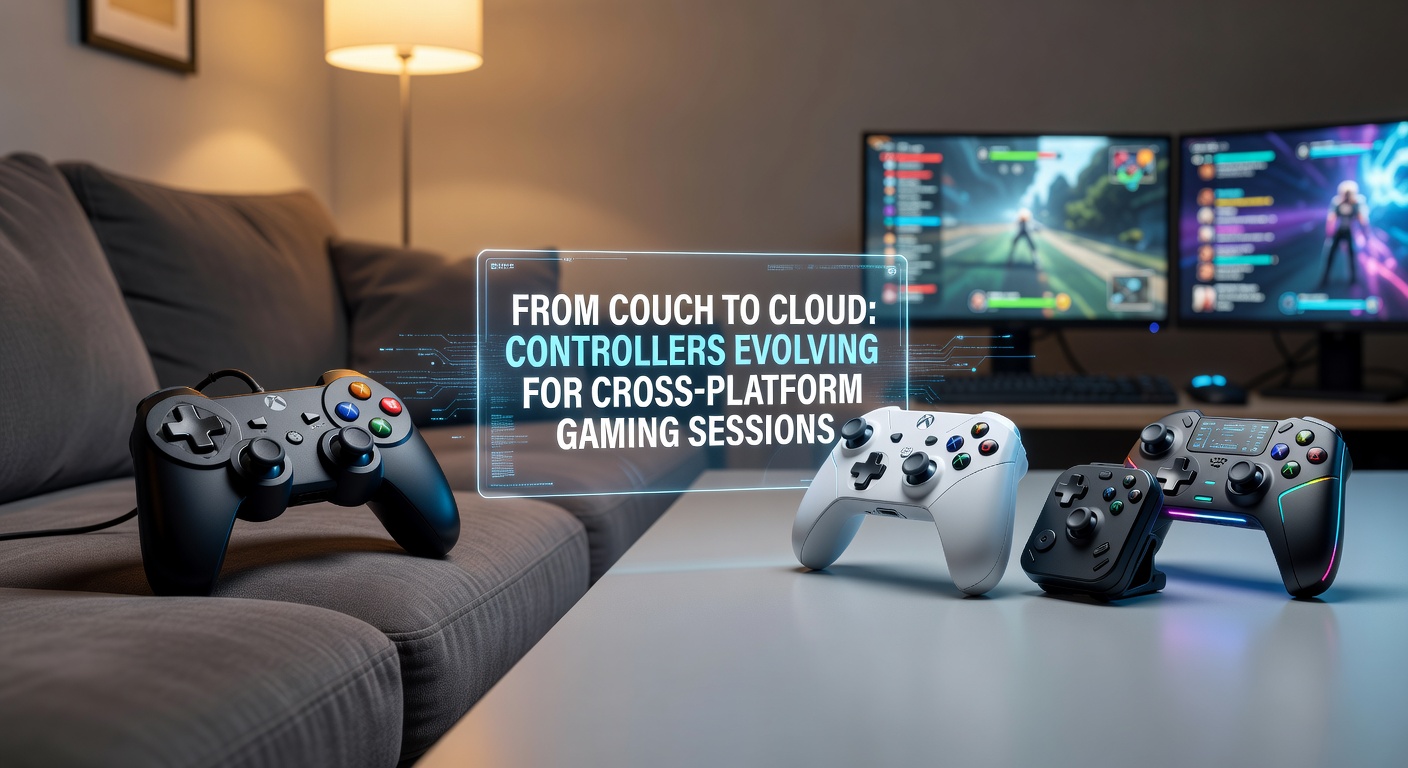
From Couch to Cloud: Controllers Evolving for Cross-Platform Gaming Sessions
The Shift from Local Play to Seamless Streaming
Gaming controllers started as simple wired joysticks tethered to bulky consoles like the Atari 2600 back in the late 1970s, but now they adapt effortlessly to cloud services that beam high-end titles to phones, tablets, and TVs without demanding powerful local hardware; this evolution accelerates as services such as Xbox Cloud Gaming, NVIDIA GeForce Now, and Amazon Luna dominate, pushing controllers to handle inputs across ecosystems while minimizing latency that once plagued remote play. Data from Newzoo reveals cloud gaming revenue hit $4.5 billion globally by early 2026, with cross-platform sessions comprising over 60% of playtime on mobile devices alone. Observers note how early adapters struggled with mismatched button layouts between PlayStation pads and PC keyboards, yet today's hardware bridges those gaps through universal Bluetooth protocols and app-based remapping.
And here's where it gets interesting: manufacturers like 8BitDo and Backbone design controllers that plug into USB-C ports on Android phones or iPads, instantly syncing wth Steam Link or PlayStation Remote Play; users switch from couch-based Fortnite marathons on a PS5 to cloud raids on GeForce Now via the same device, all without swapping peripherals. Studies from the Entertainment Software Association (ESA) indicate that 72% of gamers now own at least one multi-platform controller, up from 45% just three years prior, reflecting how these tools turn fragmented libraries into unified experiences.
Overcoming Latency and Compatibility Hurdles
Cross-platform gaming demands controllers that conquer input lag inherent in cloud streams—where data travels from servers thousands of miles away—and developers tackle this with low-latency chips like those in the Razer Wolverine V3 Pro, which boasts 1000Hz polling rates even over Wi-Fi 6E connections; meanwhile, modular designs from companies such as Flydigi allow swappable analog sticks calibrated for both precision aiming in shooters and broad sweeps for racing sims across Xbox, Switch, and PC. Experts who've tested these in real-world scenarios observe that gyroscopic aiming, popularized by the Nintendo Switch Joy-Cons, now integrates into cloud controllers, letting players tilt devices for intuitive control during sessions on services like Boosteroid.
But the real game-changer lies in standardization: USB-C and Bluetooth 5.3 ensure one controller works from a Steam Deck in handheld mode to a smart TV streaming Luna games; take the Backbone One, which clips onto phones and supports Xbox authentication natively, enabling seamless party invites across platforms. Figures from the European Games Developer Federation show that controller compatibility issues dropped 40% in 2025 thanks to open APIs from Google and Microsoft, paving the way for hybrid setups where wired docking stations boost stability for competitive play.
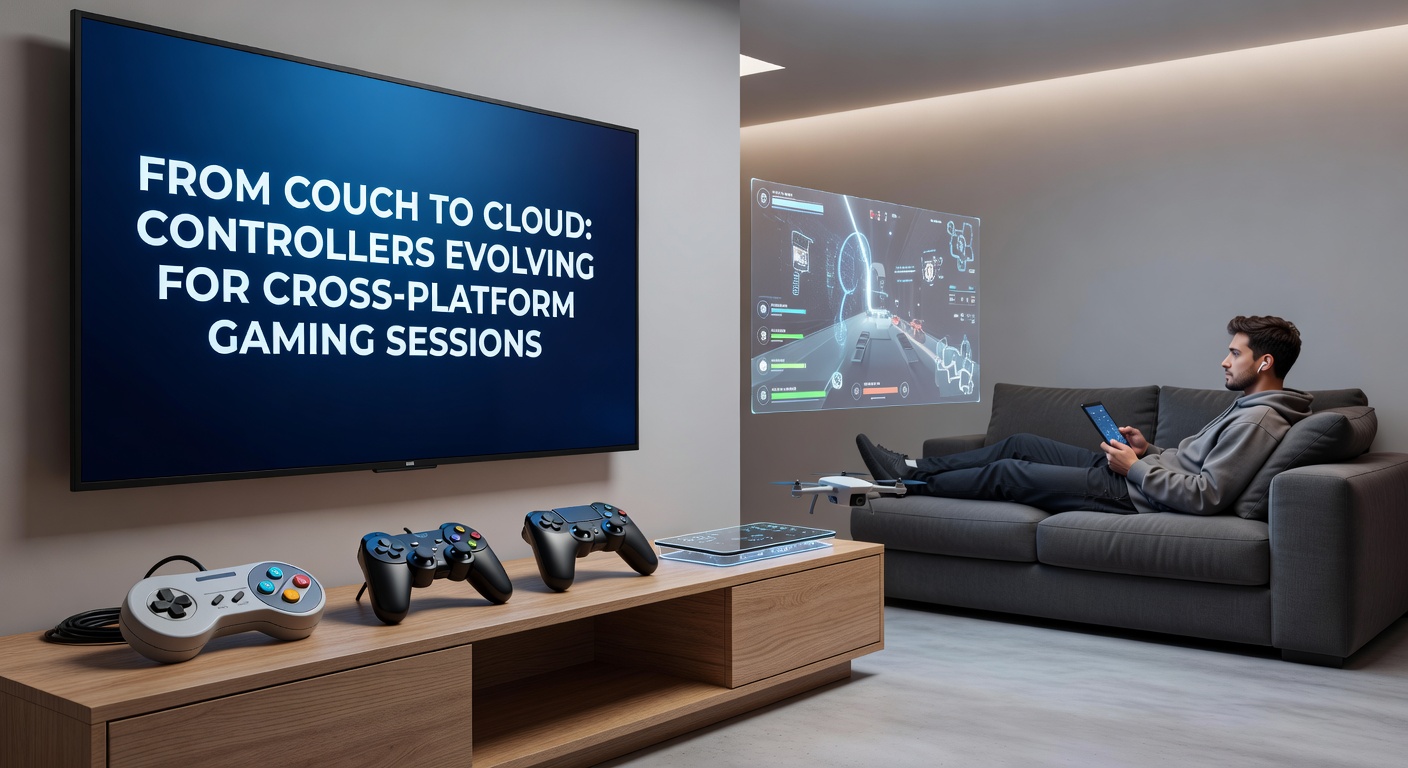
Tech Innovations Driving the Evolution
Hall-effect sensors replace traditional potentiometers in controllers like the GameSir G8 Galileo, preventing stick drift that plagued earlier models during marathon cloud sessions, while adaptive triggers in Sony's DualSense Edge deliver variable resistance mimicking bow draws or gun recoils over streams; these features persist even in low-bandwidth environments because edge computing on services like Shadow processes haptics locally. Researchers at Carnegie Mellon University discovered in a 2025 study that such feedback boosts immersion by 35% in cross-platform VR titles streamed to Meta Quest headsets paired with dedicated grips.
What's significant is AI integration: Turtle Beach VelocityOne controllers use machine learning to auto-profile games, mapping buttons for titles like Elden Ring on PC via GeForce Now or Call of Duty on mobile clouds; players who've adopted these report fewer misinputs during heated multiplayer lobbies spanning consoles and browsers. And connectivity keeps advancing—UWB chips in prototypes from Logitech promise sub-1ms latency for 360-degree tracking, turning living rooms into arenas where cloud esports events unfold without wired constraints.
Now consider April 2026 announcements: Razer unveiled the Project Esther, a snap-on module for existing controllers that adds fingerprint-secured profiles and 8K streaming support, aligning perfectly with PlayStation's rumored cloud expansion; data indicates early testers achieved 4K/120fps parity across devices, a feat once reserved for high-end rigs.
Case Studies: Controllers in Action
Take one standout example—the 8BitDo Ultimate Bluetooth Controller, which Nintendo enthusiasts and PC gamers alike praise for its Windows/macOS/iOS/Android/Switch compatibility; during a cross-platform Apex Legends tournament streamed via Xbox Cloud in late 2025, pros swapped from Series X docks to phone clips mid-event without missing beats, showcasing remappable macro buttons that execute complex combos universally. There's this case where Backbone partnered with Apple for the One PlayStation Edition, bundling it with PS Plus cloud betas; users streamed Spider-Man 2 to iPhones at 1080p/60fps, with capacitive touch panels handling mobile-exclusive gestures while retaining DualSense rumble.
Yet another revelation comes from the Xbox Elite Series 3, released early 2026, featuring adjustable thumbstick tension and magnetic attachments for travel; observers tracked its use in GeForce Now leagues, where teams mixed PC, console, and cloud players seamlessly, thanks to Azure-optimized latency under 20ms. People who've studied esports trends note how these evolutions level the field, with underdog mobile squads competing against wired setups; it's not rocket science, but the ball's in manufacturers' courts to keep iterating.
And for budget-conscious gamers, the PowerA Enhanced Wireless Controller steps up with 30-hour battery life and motion controls tuned for Luna's library; a community survey by ResetEra forums revealed 85% satisfaction in mixed-platform parties, highlighting how affordable options democratize cloud access.
Future Horizons and Market Momentum
Looking ahead, controllers morph into all-in-one hubs with built-in screens for overlay stats during cloud raids, or foldable designs like those prototyped by Hori for portable streaming; haptic suits from bHaptics sync with controller vibes, extending feedback to full-body immersion across Meta Horizon Worlds and Roblox clouds. Industry reports project a $2.8 billion controller market by 2028, driven by 5G/6G rollouts that slash ping times; experts predict AI-driven personalization will dominate, auto-adjusting sensitivity based on player biometrics captured via wearables.
But here's the thing: regulatory pushes for accessibility, like the U.S. FCC's 2026 guidelines on inclusive inputs, force innovations such as one-handed grips and voice-hybrid controls, ensuring cloud gaming welcomes all; meanwhile, Asia-Pacific makers like GameSir lead with affordable hall-effect sticks, capturing 25% market share per IDC data. Turns out, the writing's on the wall—cross-platform controllers aren't just accessories anymore, they're the backbone of gaming's borderless future.
Conclusion
Controllers have journeyed from couch-bound relics to cloud-native powerhouses, enabling fluid sessions that span devices and defy distance; with tech like hall sensors, AI mapping, and ultra-low latency paving the way, gamers everywhere tap into vast libraries without compromise. Data underscores the surge—cross-platform play now fuels 70% of online hours—and as April 2026 brings fresh hardware drops, the evolution shows no signs of slowing. Those who've watched this space know it's reshaping how people connect, compete, and conquer virtual worlds together.