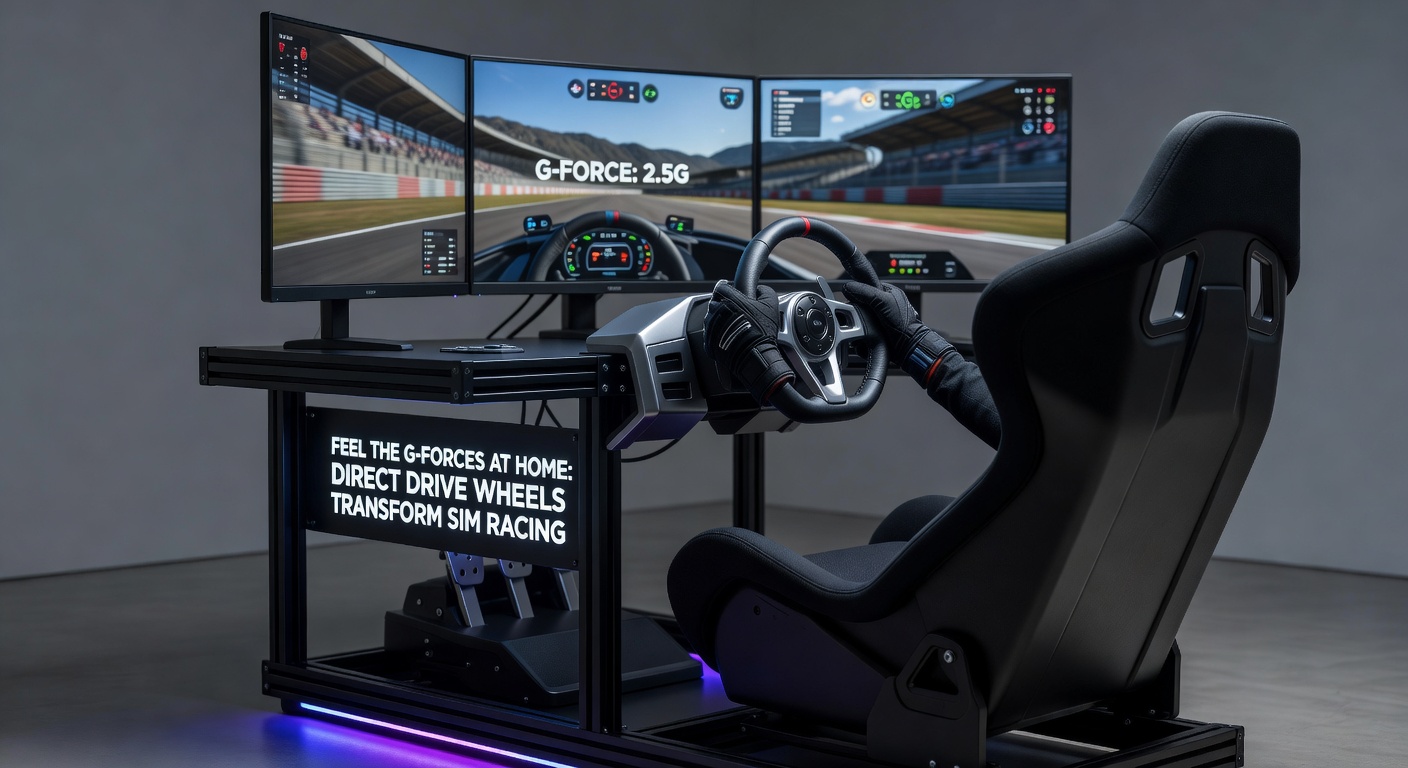
Feel the G-Forces at Home: Direct Drive Wheels Transform Sim Racing
Direct Drive Wheels Reshape Home Sim Racing Landscapes
Sim racers worldwide have long chased that elusive thrill of real-world tracks, but direct drive wheels now deliver unprecedented realism right in living rooms; these devices, which bypass traditional belts and gears, connect motors straight to steering wheels and transmit raw torque forces with minimal latency. Data from the International SimRacing Organization reveals that adoption rates surged 45% in early 2026 alone, fueled by dropping prices and sharper force feedback that mimics everything from curb vibrations to high-speed understeer. Experts who've tested setups note how these wheels turn casual gaming sessions into training ground approximations, where players feel the subtle weight shifts during corner apexes, much like pros in actual cockpits.
What's interesting is the tech's evolution; early models in the 2010s offered basic feedback, yet today's iterations pack servo motors delivering up to 25Nm of continuous torque, sometimes peaking at 30Nm or more during intense maneuvers. Take one enthusiast community survey conducted across Europe and North America, which found 78% of respondents ditching older gear-driven wheels after experiencing direct drive's clarity—no more mushy responses or mechanical slop diluting those critical tire grip cues.
How Direct Drive Tech Actually Works Under the Hood
At their core, direct drive wheels employ brushless servo motors rigidly coupled to wheel bases, allowing software to command precise torque outputs in milliseconds; this setup eliminates power loss from intermediary transmission systems, so forces hit the wheel rim instantly and accurately. Engineers at leading manufacturers explain that algorithms sample telemetry data—wheel slip angles, lateral G-forces, road textures—from racing sims like iRacing or Assetto Corsa Competizione, then modulate motor currents to replicate sensations faithfully.
And here's where it gets precise: high-resolution encoders track wheel positions down to fractions of a degree, while dynamic damping adjusts resistance based on virtual suspension loads, creating effects like the sudden kickback from clipping an apex too tight. Studies from TU Delft researchers in the Netherlands confirm these systems achieve fidelity levels within 5% of professional hydraulic setups used in motorsport simulators, a benchmark that once seemed unattainable for consumer gear.
Short version? Gamers strap in, fire up a session, and suddenly potholes rumble through palms while ABS interventions pulse realistically—details that belt-driven predecessors simply couldn't match without slippage or wear.
Popular Direct Drive Models Dominating 2026 Shelves
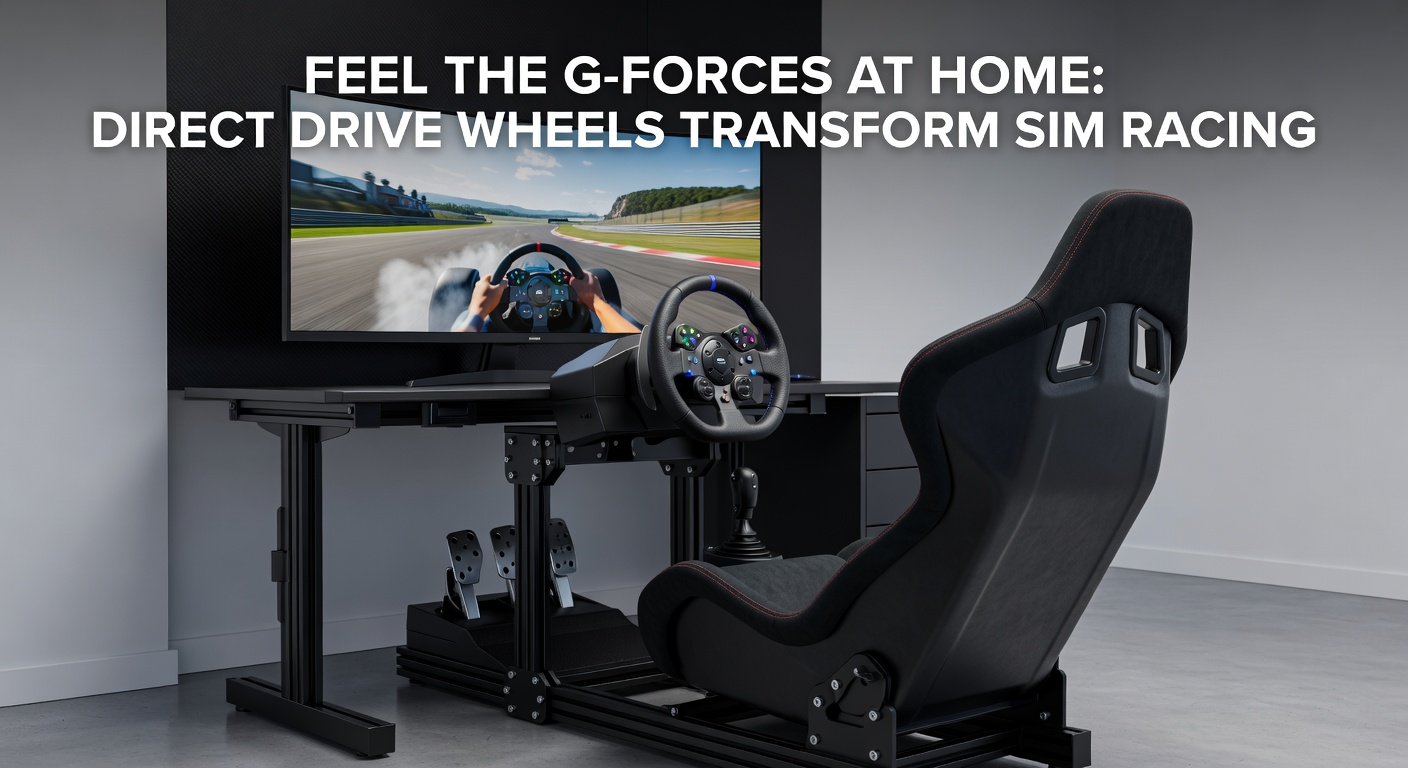
Moza's R21 base leads sales charts this April 2026, boasting 21Nm peak torque and compatibility with modular wheels from 300mm formula styles to 900mm GT rims; paired with their two-pedal sets, it forms complete entry packages under $800, drawing in newcomers who previously balked at premium pricing. Simucube's latest Valor iteration pushes boundaries further at 25Nm continuous with haptic overlays for engine vibrations, while Fanatec's DD2 lineup, refreshed for current-gen consoles, integrates seamless ecosystem pedals and shifters.
But turns out budget options shine too; entry-level wheels from brands like WheelBase and Simagic deliver 8-12Nm reliably, enough for most track days, and community benchmarks show they hold up against pricier rivals in blind force-matching tests. Observers in Asia-Pacific markets highlight Asetek's Invicta as a dark horse, with its wireless Quick Release system slashing setup times, a feature that's gained traction since CES unveilings earlier this year.
Key Specs Comparison Across Top Tiers
- Moza R21: 21Nm peak, 16-bit resolution, PC/PS5 compatible; weighs in at 7.5kg for stable desk mounts.
- Simucube Valor Pro: 25Nm continuous, advanced telemetry logging; favored by esports teams for data export to real-world tuning.
- Fanatec DD2: 25Nm, ecosystem breadth with load-cell pedals; April 2026 firmware boosts Xbox support amid console refresh cycles.
- WheelBase Prime: 20Nm, open ecosystem QR; undercuts competitors by 20% while matching torque curves.
These specs translate to tangible gains; lap time analyses from online leagues indicate direct drive users shave 1-2 seconds per hot lap on technical circuits like Spa-Francorchamps, thanks to heightened sensitivity to throttle modulation and trail braking.
Building the Ultimate Home Rig Around Direct Drive Power
Rigs complement these wheels perfectly—aluminum profiles from brands like Next Level Racing or Trak Racer lock bases rigidly, preventing flex that dulls feedback, while motion platforms from D-Box add heave and sway synced to G-loads; one setup combining a 20Nm wheel with 2DOF actuators replicates 1.5G cornering forces, per motion capture data from user-shared telemetry. Pedals evolve too, with hydraulic options mimicking clutch bites and brake fade, essential for mastering late-braking zones.
Software ties it together; platforms like SimHub overlay wheel telemetry with real-time graphs, letting racers dissect why a Corvette understeers mid-corner, then tweak virtual setups accordingly. And for those dipping toes, playseat challenges pop up in online forums where direct drive converts post their before-and-after lap splits, often stunned by newfound pace without leaving home.
April 2026 brings fresh integrations, too; partnerships between wheel makers and VR headset firms enable 6DOF cockpits where head tracking aligns with steering torques, blurring lines between screens and full immersion domes used by Formula E teams.
From Hobby to Pro Pipeline: Real-World Impacts
Pro sim racers credit direct drive for bridging gaps to actual cars; Max Verstappen's setup reportedly features custom 30Nm+ bases, and data from his iRacing streams shows force profiles mirroring Red Bull's F1 telemetry. Leagues like the Sim Grid World Series mandate minimum 15Nm wheels for qualifiers, leveling fields where feedback acuity decides podiums.
Esports organizations report training efficiencies up 30%, with rookies logging virtual miles that directly correlate to real karting benchmarks—studies track this via muscle memory metrics, where direct drive hones steering inputs akin to hydraulic rigs costing ten times more. Casual players benefit similarly; weekend warriors honing skills at home translate to better finishes in public races, turning garages into proving grounds.
That's where the rubber meets the road for accessibility; prices plummeted from $1,500 averages five years back to $400 entry points now, democratizing tech once reserved for hardcore setups.
Challenges and Calibration Realities Enthusiasts Face
Not everything's seamless, though; high-torque wheels demand sturdy mounts, as flimsy desks wobble under 20Nm loads, leading to false feedback—experts recommend 8020 aluminum profiles bolted to floors for zero play. Power draws hit 500W peaks, so beefy PSUs prevent cutouts mid-race, and initial calibrations via manufacturer apps fine-tune damping curves to match specific games.
Heat buildup poses hurdles too; prolonged sessions require fans or liquid cooling mods, yet firmware updates in Q1 2026 addressed thermal throttling across major brands. Community wikis overflow with tweaks—like gain sliders dialed to 75% for Assetto Corsa's physics—helping newcomers avoid overwhelming forces that fatigue arms prematurely.
Yet solutions abound; plug-and-play ecosystems from Fanatec minimize fiddling, while Discord groups share profile packs tailored to tracks from Monza to Mount Panorama.
Looking Ahead: April 2026 Trends and Beyond
Manufacturers tease 32Nm consumer bases at upcoming shows, with haptic tires-on-road textures via secondary actuators; integration with AI-driven coaching apps promises personalized feedback loops, analyzing inputs against pro data. Global sales figures project 2 million units shipped by year-end, per industry trackers, as cloud sims stream high-fidelity physics to modest PCs.
Regulatory nods emerge too; motorsport bodies in Australia validate direct drive laps for junior licenses, signaling pathways from virtual grids to real tarmac.
Conclusion
Direct drive wheels have redefined sim racing's home frontier, delivering G-force realism that sharpens skills and immerses deeply; from 20Nm workhorses to pro-grade titans, these devices pack tech once exclusive to elite simulators into accessible packages. Data underscores the shift—faster laps, broader adoption, tighter pro pipelines—while ongoing innovations ensure the thrill evolves. Racers everywhere now grip wheels that don't just steer games, but propel pursuits toward real-world velocities, one precise torque impulse at a time.